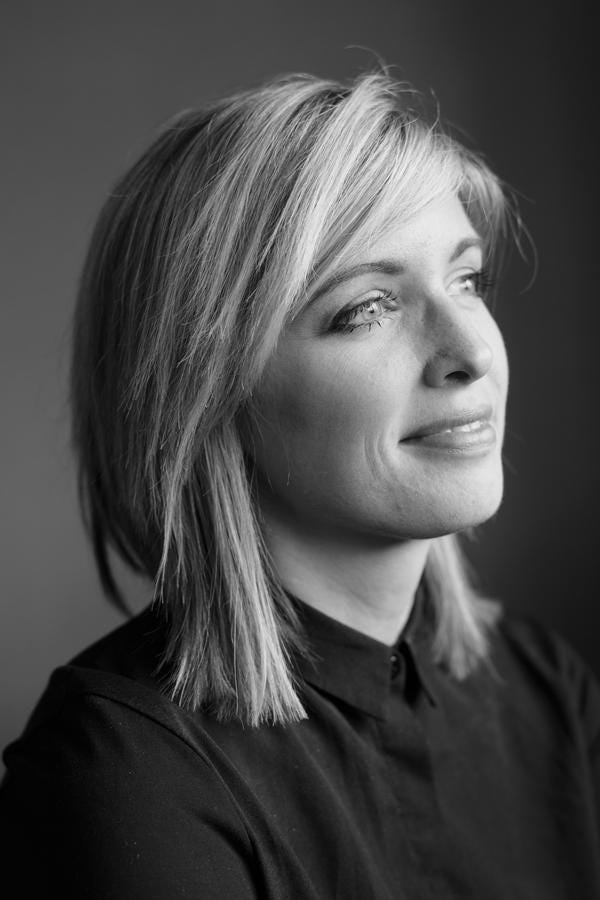
Discomfort as a Catalyst and Compass: Lauren Celenza
"What if we flip the script on this? That's where agency emerges, from a sense or a glimmer of hope."

This conversation with Lauren Celenza, a software designer and writer, explores the impact of AI and the need for human skills in navigating its advancement. Drawing parallels to historical technological shifts and sharing pivotal moments in her personal journey, Lauren reminds us of the importance of being in the here and now, human agency, creative community and critical thinking as AI eclipses the world as we know it.
The people who are going to succeed in this timeline are not going to have the best prompts or use agentic AI in the best ways. They're going to have the sharpest human skills. They're going to be able to build trust with people… read a room… listen. Not just summarize the meeting or take the AI summary, but read the room of how people are feeling, what they're saying, what they're not saying… [those who can] stay in contact with what’s actually yours—your instincts, your values, your gut, your intuition.
“I think people are yearning for a vision beyond hyper doom, and really to hold capability and consequence in their minds at once.
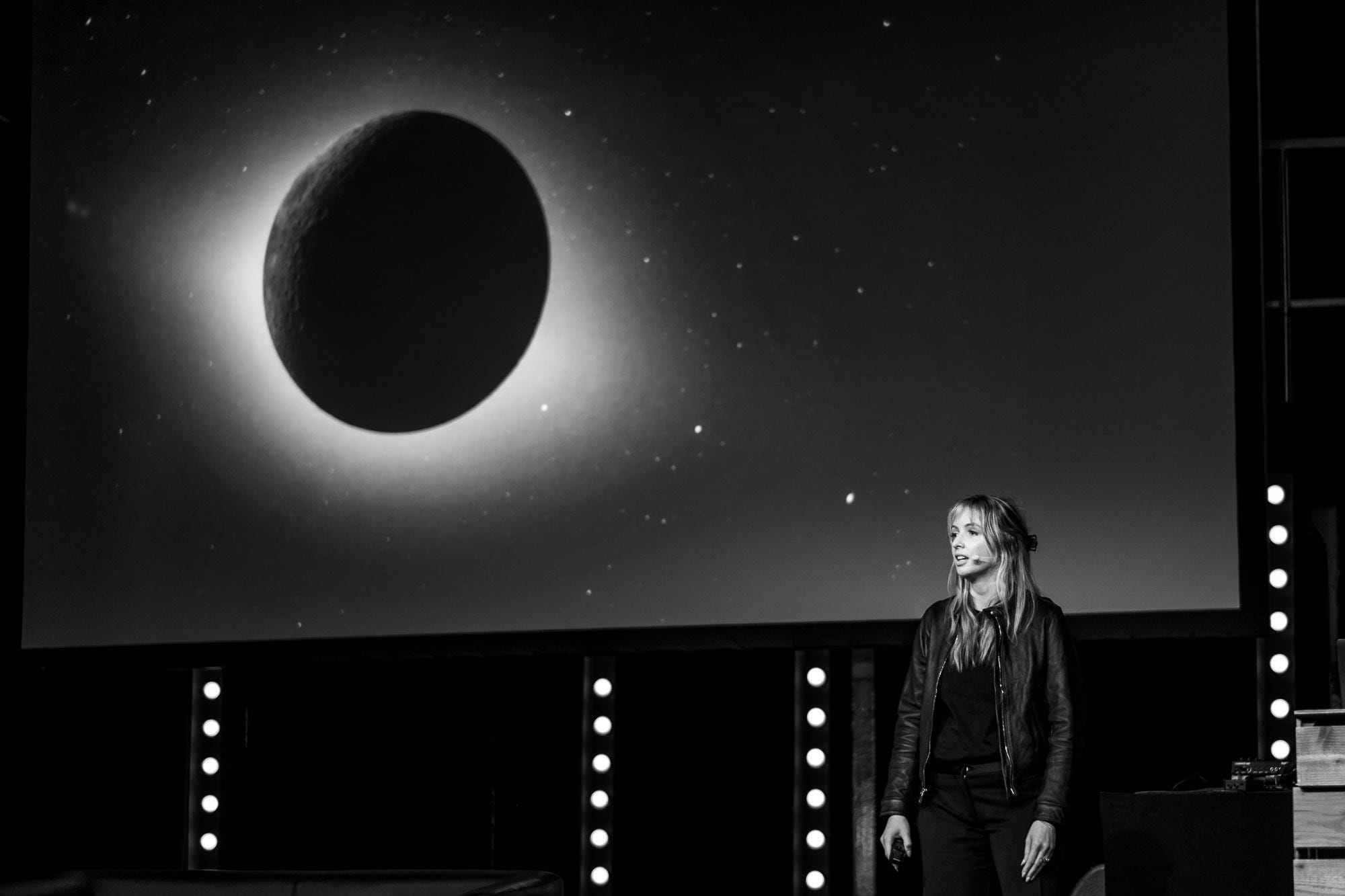
I recently gave a talk [that drew] an analogy to the latest Artemis II mission from NASA where they took humans the farthest that we’ve ever been in space… on that mission they took this incredible photograph of the moon eclipsing the sun. That photograph is very similar to how we approach new technology. The moon eclipsing the sun reveals the corona, or the dimension of the sun, that we couldn’t see when the glare—the hype—was all that we could focus on.
When we actually build things in conversation with consequence, or test things at smaller scale so we can see the consequence when it meets the real world (or in a more refined, careful way), we’re able to build better technology that’s more reliable, more nuanced, more inclusive. We can adapt to it a little bit better.”
The sensitivity we all have within us is a sharper tool for navigating change than the default posture that's been around for a while, which is I'm going to plow through this.
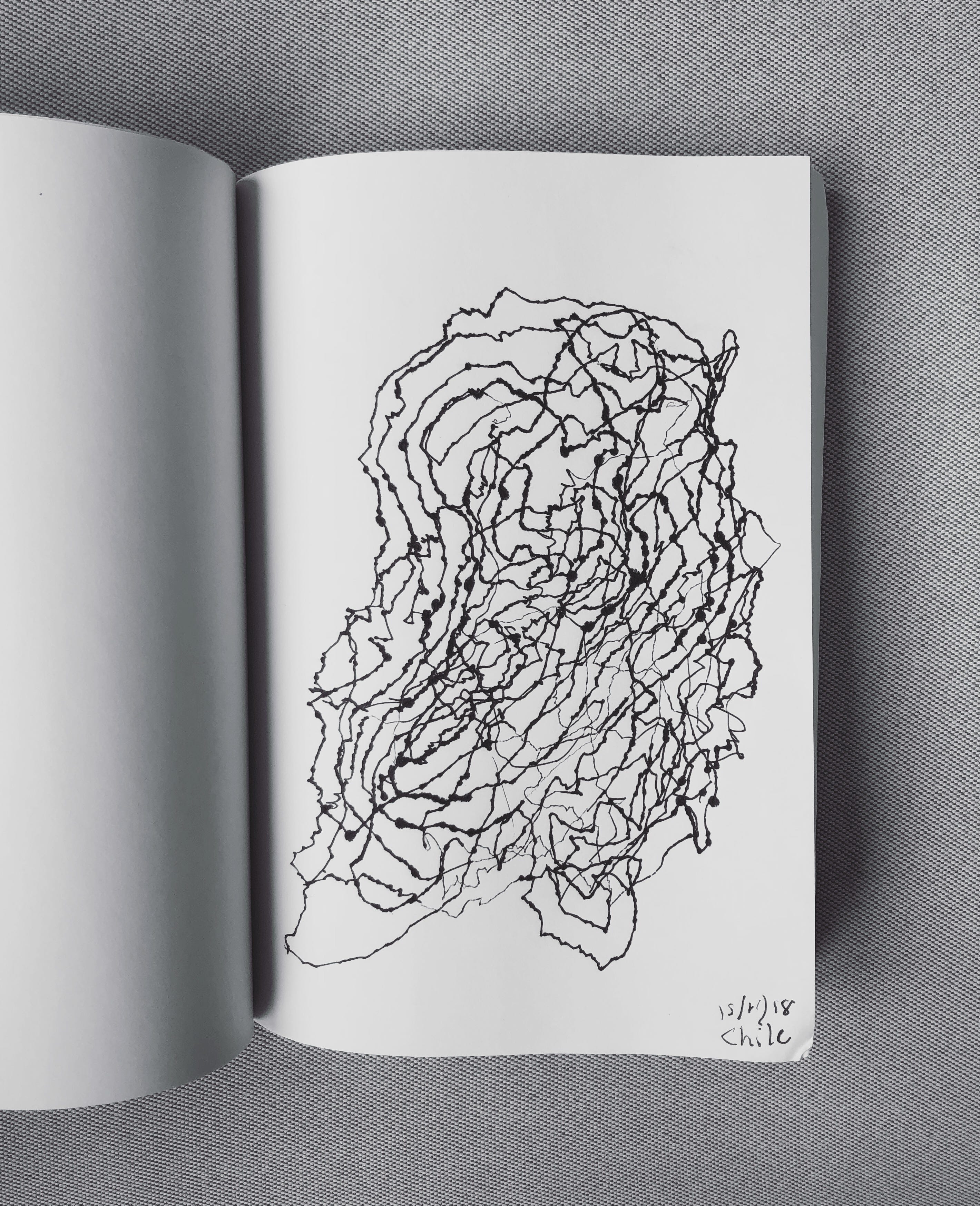
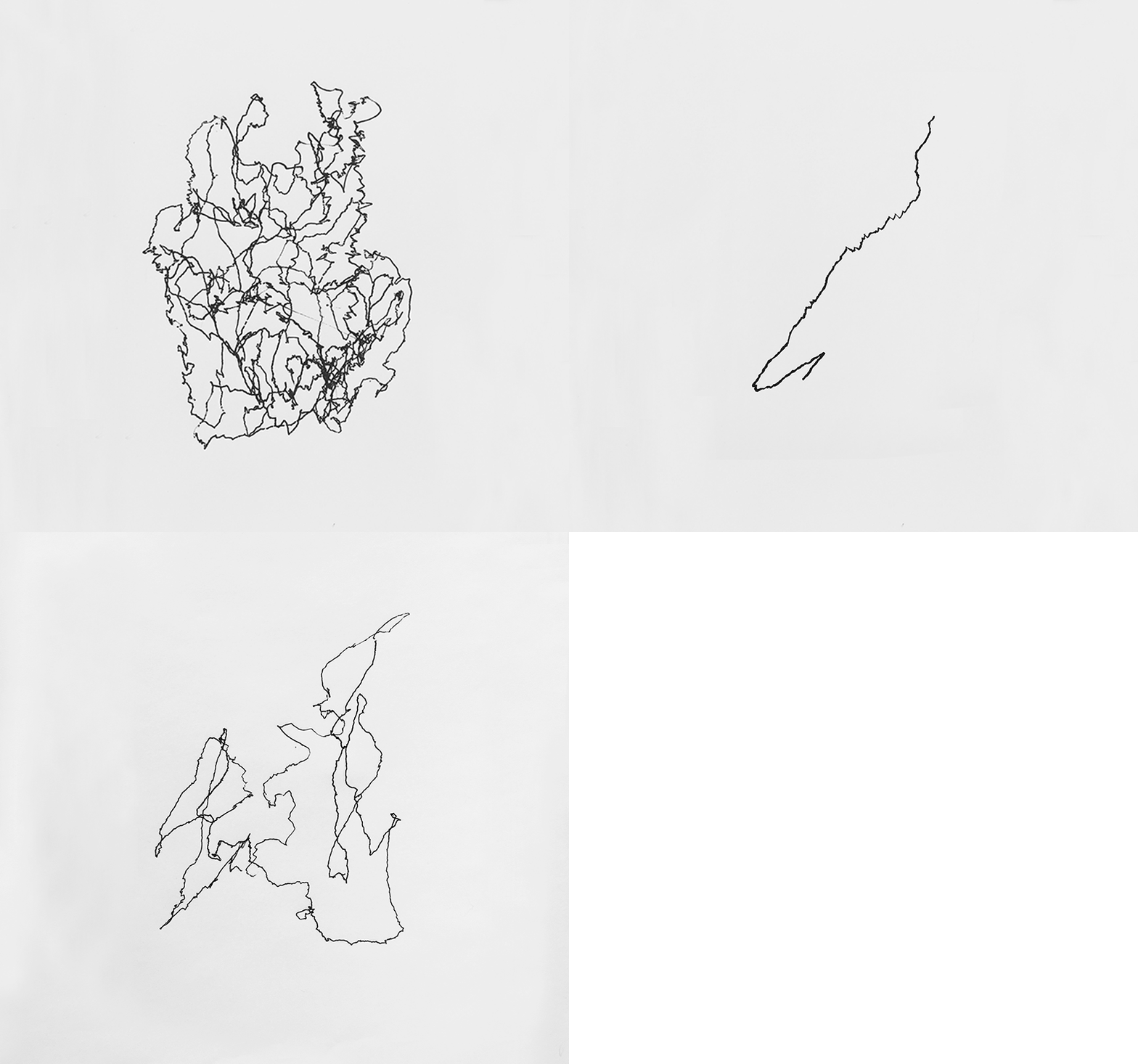
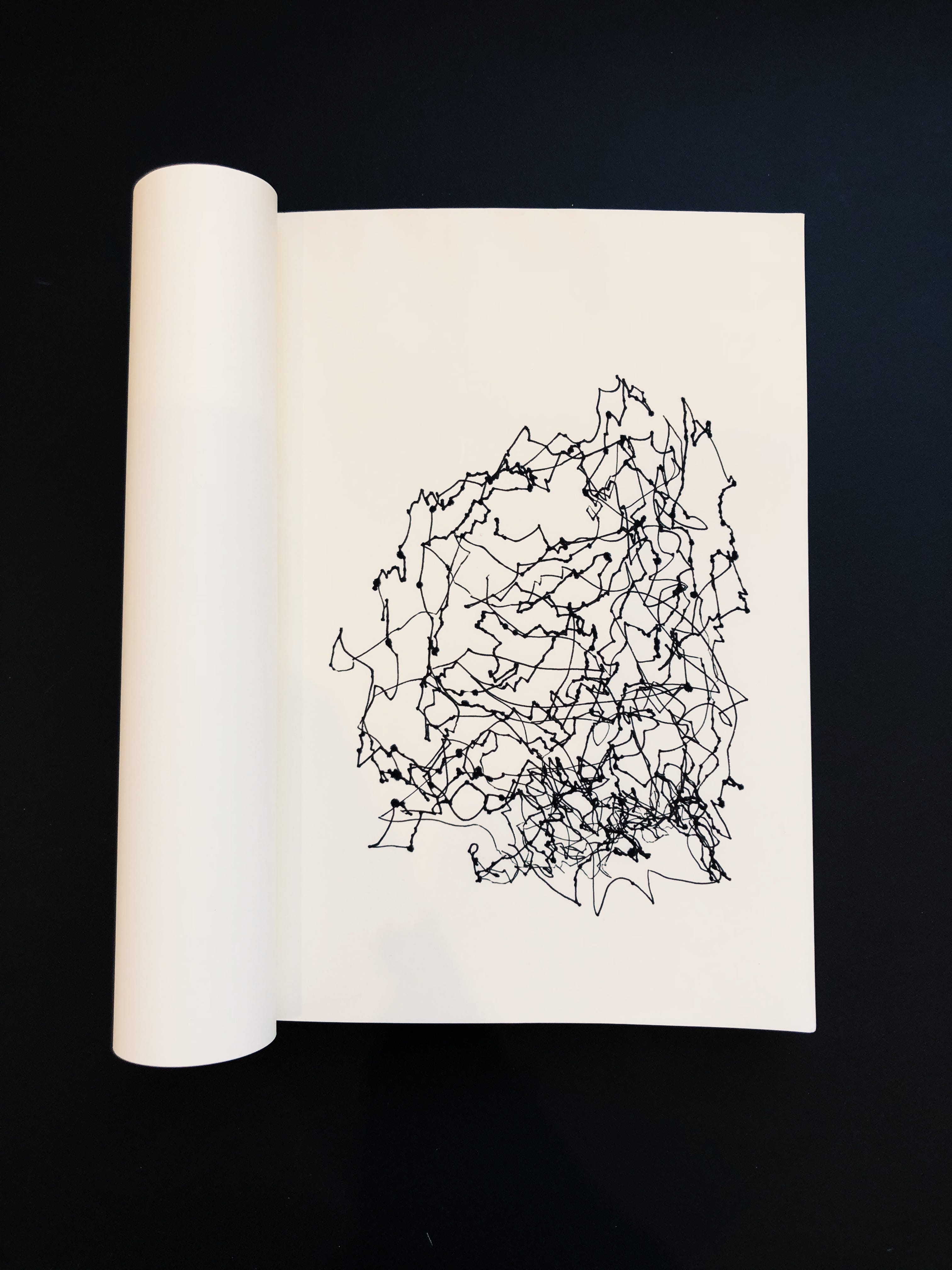
What if I put my pen to this paper and just see what happens?
With motion sketches, I can put away the screen for a moment and just feel the motion [of the moment] I’m in. That’s really all it is but, at the same time, it’s kind of profound. You’re able to see it on the paper and you’re able to just be in that moment, in the here and now.
Courage is the muscle that’s going to help you navigate in the dark.
About Lauren
Lauren Celenza is a software designer, writer and speaker examining the technological systems and stories shaping our lives. Her work has appeared in Fast Company, Forbes, NBC News and PBS NewsHour. From making millions of places and routes visible in Google Maps, to generating over $90 million in U.S. tax refunds, to advancing global land restoration, she has translated intricate systems into experiences that move people and money at Google, Code for America, Adobe and the World Resources Institute. Born in Flint, Michigan and raised in Ohio, she now lives in Seattle, where in 2022 she helped petition for the Silenced No More Act in Washington state, prohibiting employers from silencing workers on discrimination and retaliation. She writes Tech Without Losing Your Soul, a newsletter on tech's power, burnout and living with AI without surrendering our humanity. She has spoken worldwide, connecting with tech leaders, makers and artists from over 40 countries.